播客

Lava Academy Podcast: Inside Iceland’s Volcano Nerve Center

What does it take to monitor a country that sits on top of a living, breathing volcanic system?

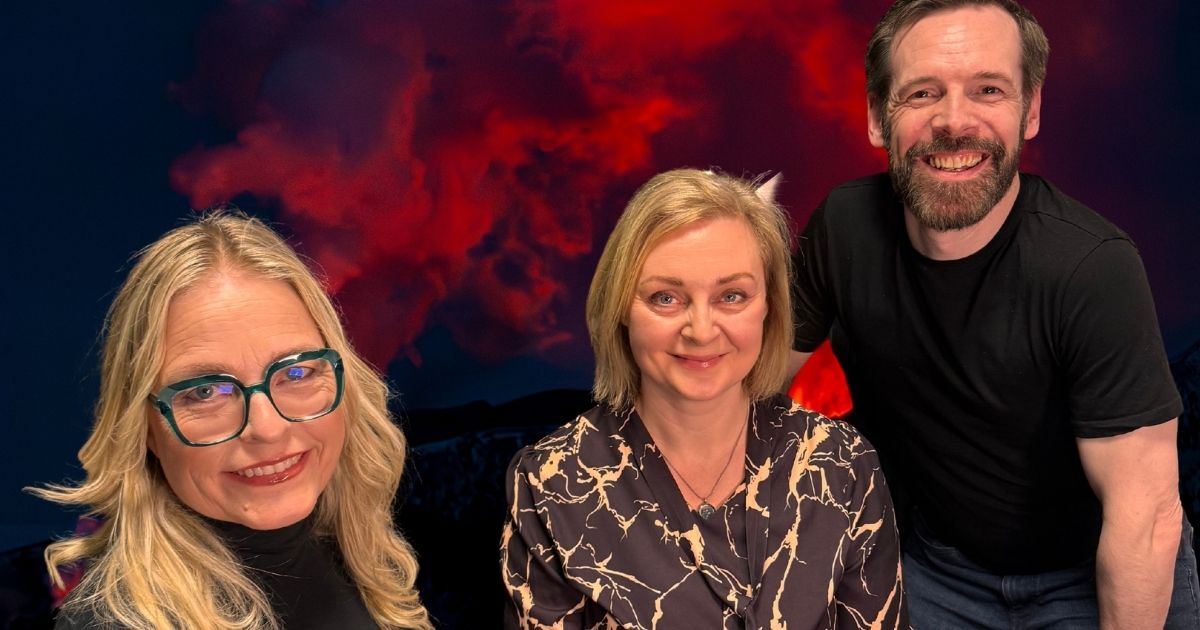
In the latest episode of the Lava Academy Podcast, hosts Iain MacKinnon and Ragnhildur Ágústsdóttir—better known as Lady Lava—sit down with one of the most influential figures in Icelandic geoscience: Kristín Jónsdóttir, Head of the Department of Volcanoes, Earthquakes and Deformation Measurements at the Icelandic Meteorological Office.

This is not just another interview. It’s a rare, behind-the-scenes look at the systems, science, and split-second decisions that help keep Iceland safe.

Meet the Woman Behind the Data

If you’ve followed the recent eruptions on the Reykjanes Peninsula, you’ve almost certainly seen or heard Kristín Jónsdóttir.

She’s one of the key voices guiding the nation through volcanic crises—translating complex geophysical data into clear, actionable insights for authorities and the public. As Iain puts it in the episode, she’s something of a “volcanic celebrity” in Iceland .

But her journey started with curiosity—specifically, a fascination with unusual earthquake signals beneath Katla volcano that no one could fully explain. That curiosity led her through a PhD in volcano seismology and eventually to the forefront of Iceland’s natural hazard monitoring.

What Really Happens Behind the Scenes?

Most people think of a “Met Office” as a weather service. In Iceland, it’s something much bigger.

As Kristín explains, everything is connected—weather, earthquakes, landslides, volcanic activity. Monitoring them together allows scientists to respond faster and more effectively when something changes .

Inside the monitoring rooms, teams work 24/7, watching for subtle signals:

  • Tiny earthquakes deep underground

  • Ground deformation measured in millimeters

  • Pressure changes in boreholes

  • Even vibrations detected through fibre optic cables

  • When thresholds are crossed, alerts trigger instantly—and decisions begin.

Can We Predict Eruptions?

It’s the question everyone asks: When will the next eruption happen?

The answer is… complicated.

While exact timing remains impossible, Kristín reveals how scientists track magma buildup beneath the surface—watching as underground chambers slowly “inflate” like a balloon. On Reykjanes, eruptions tend to occur when that pressure reaches a critical threshold.

Right now? It’s getting close.

A Technological Breakthrough: Listening to the Earth Through Internet Cables

One of the most fascinating parts of the episode is a glimpse into the future of volcano monitoring.

Using fibre optic cables—the same infrastructure that powers internet connections—scientists can now detect microscopic ground movements in real time.

They can:

  • Track magma moving underground

  • Detect earthquakes instantly

  • Even “see” people walking above the cables

  • It’s a revolutionary system—and Iceland is leading the way.

As Kristín puts it, this could transform how we monitor natural hazards worldwide.

Why This Episode Matters

This conversation goes far beyond science.

It’s about:

  • How a small country manages some of the most powerful forces on Earth

  • The collaboration between scientists, civil protection, and aviation authorities

  • The responsibility of communicating risk without causing panic

  • And the people—like Kristín—who dedicate their lives to understanding the unknown

Links

Listen Now

If you’ve ever wondered how volcanoes are monitored, how eruptions are forecast, or what’s really happening beneath Iceland right now—this is an episode you don’t want to miss.

Tune in to the latest Lava Academy Podcast episode and step inside Iceland’s volcanic nerve center.

订阅熔岩展新闻简报

注册并将全球最热门的体验直接发送到您的收件箱!

订阅熔岩展新闻简报

注册并将全球最热门的体验直接发送到您的收件箱!

订阅熔岩展新闻简报

注册并将全球最热门的体验直接发送到您的收件箱!

熔岩秀

VSK编号:132003

身份证号码:4607161010

熔岩秀

VSK编号:132003

身份证号码:4607161010

熔岩秀

VSK编号:132003

身份证号码:4607161010