ポッドキャスト
ラバ・アカデミー・ポッドキャスト:アイスランドの火山の司令塔をのぞく
生きて、呼吸する火山システムの上に佇む国を監視するとは、一体どのようなことなのでしょうか?
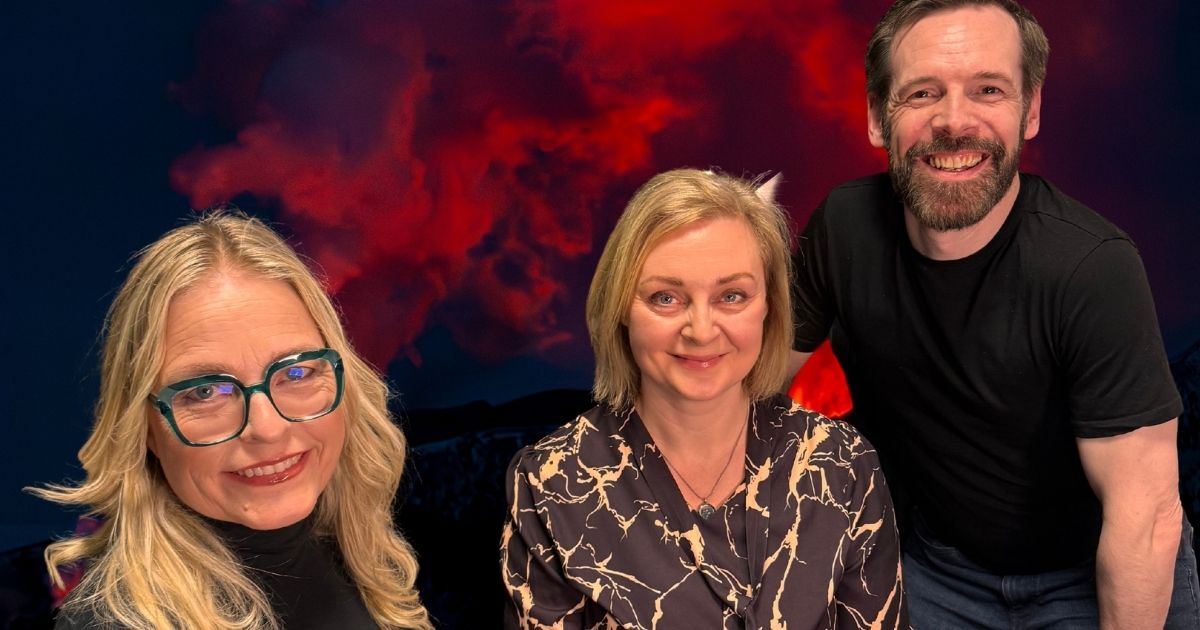
Lava Academyポッドキャストの最新エピソードでは、ホストのイアン・マッキノンと、レディ・ラヴァの呼び名で知られるラグンヒルドゥル・アグストドッティルが、アイスランドの地球科学界で最も影響力のある重要人物のひとりをお迎えしました。アイスランド気象庁で火山・地震・地殻変動測定部門の責任者を務める、クリスティン・ヨンスドッティルさんです。
これは単なるインタビューではありません。アイスランドの安全を守るためのシステム、科学、そして一瞬の決断の裏側を垣間見ることができる、とても貴重な舞台裏のお話です。
エピソードを観る
データの裏側にいる女性との出会い
レイキャネス半島で最近起きた噴火を追っている方なら、クリスティン・ヨンスドッティルさんを一度は見聞きしたことがあるはずです。
彼女は、火山危機に揺れる国を導く中心的な存在の一人であり、複雑な地球物理学的データを分かりやすく翻訳し、行政や人々に役立つ明確な情報として発信しています。イアンがこのエピソードの中で語っているように、彼女はアイスランドにおけるまさに「火山のセレブリティ」のような存在です。
しかし、彼女の旅の始まりはシンプルな好奇心からでした。具体的には、カトラ火山の下で発生していた、誰も完全には説明できない奇妙な地震シグナルへの強い興味です。その好奇心に導かれて火山地震学の博士号を取得し、やがてアイスランドの自然災害監視の最前線に立つことになりました。
舞台裏では一体何が起きている?
多くの人は「気象庁(Met Office)」と聞くと、お天気予報のサービスを想像するでしょう。ですが、アイスランドにおいてはもっと大きな役割を担っています。
クリスティンさんが語るように、天気、地震、土砂崩れ、そして火山活動、すべてが繋がっているのです。これらを一括して監視することで、何かが変化した際、科学者たちはより迅速かつ効果的に対応することができます。
監視室の中では、チームが24時間体制で、以下のような微細なシグナルを注意深く見守っています。
地中深くで発生する微小な地震
ミリ単位で測定される地殻変動
ボアホール(観測用の掘削孔)内の圧力変化
光ファイバーケーブルを通じて検知されるかすかな振動
設定されたしきい値を超えると即座にアラートが作動し、次の意志決定へと動き出します。
噴火は予測できるの?
誰もが知りたがる永遠の疑問、それは「次の噴火はいつ起きるのか?」ということです。
その答えは……一筋縄ではいきません。
正確なタイミングを知ることは今なお不可能ですが、クリスティンさんは科学者たちがどのように地表の下でのマグマの蓄積を追跡しているかを明かしてくれます。それはまるで、地下のマグマだまりが風船のようにゆっくりと「膨らんでいく」様子を見守るかのようです。レイキャネスでは、この圧力が限界レベルに達したときに噴火が起こる傾向があります。
そして「今」は? その瞬間にかなり近づいています。
技術的な大躍進:インターネットケーブルを通じて地球の声を「聴く」
このエピソードで最もワクワクする見どころの一つは、火山監視の未来を垣間見ることができる点です。
インターネット接続に使われるお馴染みのインフラである「光ファイバーケーブル」を利用することで、科学者たちは微細な地盤の動きをリアルタイムで検知できるようになりました。
これによって可能になること:
地下を移動するマグマの追跡
地震の即時検知
ケーブルの上を歩く人々の気配さえも「認識」すること
これはまさに革命的なシステムであり、アイスランドが世界をリードしています。
クリスティンさんが語るように、これは世界中の自然災害の監視方法をガラリと一変させる可能性を秘めています。
このエピソードがあなたを魅了する理由
この対話は、単なる科学の領域を遥かに超えています。
ここで語られるのは:
地球上で最も力強い自然のパワーに、小さな国がいかにして立ち向かい管理しているか
科学者、市民保護組織、そして航空当局との素晴らしい連携体制
パニックを引き起こすことなく、いかに危機のリスクを伝えるかという社会的責任
そして、未知を解き明かすために人生を捧げるクリスティンさんのような人々についてです
本物の溶岩が流れる大迫力をその目で!
あらゆる火山噴火の影には、アイスランドの活動的な火山を絶え間なく監視し、24時間体制で尽力する献身的な科学者たちの姿があります。アイスランドの「火山神経中枢」がどのように地震活動や噴火リスクを追跡しているかを学んだ後は、彼らが日々研究している大自然の驚異を、ぜひ「Lava Show(溶岩ショー)」で実際に体感してみませんか? 安全にコントロールされた空間の中で、わずか数メートル先を流れる、本物のドロドロとした燃え盛る溶岩を観察することができます。アイスランドの地を形作る凄まじい大地のエネルギーを、ぜひ間近で味わってください!
旅の計画にプラスしよう:
レイキャヴィークのLava Showを体験する – アイスランドの首都で、ダイナミックに流れる本物の溶岩を間近で見学。
ヴィークのLava Showを体験する – アイスランドの美しい南海岸で、世界で唯一のライブ溶岩ショーを体験。
お役立ちリンク
アイスランド気象庁(The Icelandic Meteorological Office) - アイスランドの火山、地理、地震活動に関する豊富な情報と深いインサイトが満載です
Skjálftalísa - アイスランドの地震活動を直感的に分かりやすくビジュアル化したグラフィック表示ツールです
今すぐ聴いてみよう!
火山がどのように監視されているのか、どうやって噴火を予測しているのか、あるいは現在アイスランドの地下で一体何が起きているのか……。少しでも好奇心が刺激されたなら、このエピソードは絶対に見逃せません!
Lava Academy Podcastの最新エピソードを聴いて、アイスランドの火山における心臓部、そのスリリングな裏側へと足を踏み入れてみましょう!