Podcast
Lava Academy Podcast: Inside Iceland’s Largest Eruption with Glen L’Estrange
In this episode of the Lava Academy Podcast, host Iain MacKinnon sits down with geologist and research assistant Glen L’Estrange from the University of Iceland to explore one of the most powerful volcanic events in Iceland’s history: the Eldgjá eruption.
From massive lava flows to ash clouds that reshaped landscapes and societies, this conversation dives deep into the science, history, and real-world implications of volcanic eruptions on a scale that’s hard to imagine.
Watch the episode
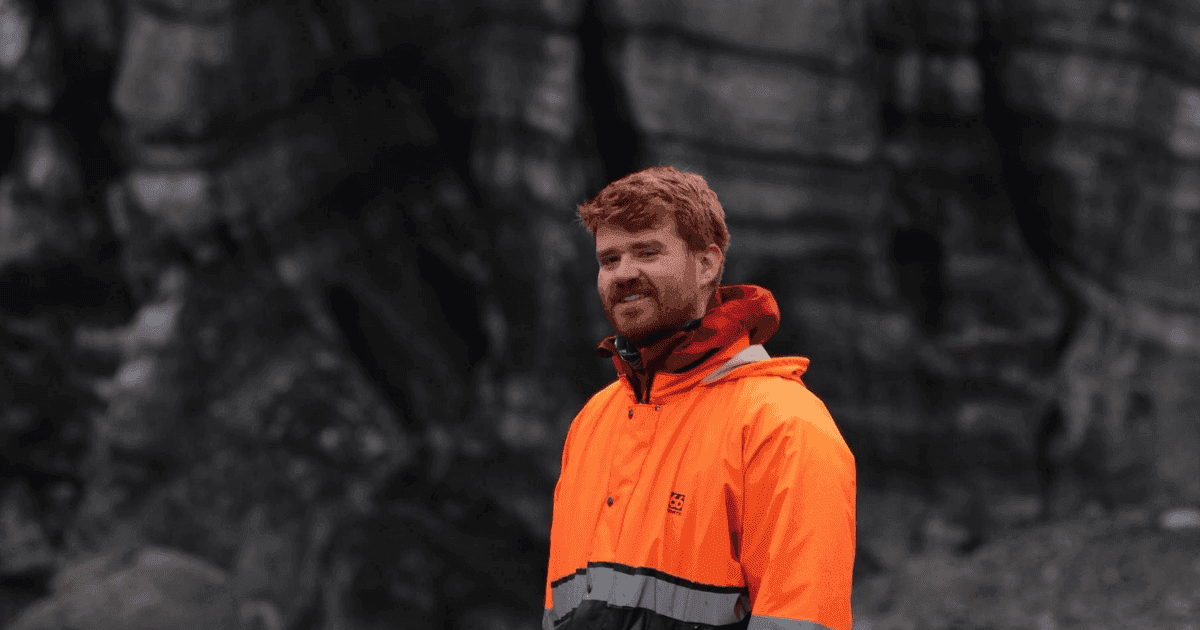
Meet the Scientist: Glen L’Estrange
Glen L’Estrange is a master’s student in volcanology at the University of Iceland and a research assistant studying some of the country’s largest historical eruptions. Originally drawn to Iceland by its dramatic landscapes, he returned to pursue advanced research into volcanic processes and eruption reconstruction.
His current focus? Understanding Eldgjá—one of the most significant eruptions ever recorded in Iceland.
What Was the Eldgjá Eruption?
The Eldgjá eruption took place around 937–940 AD and lasted for up to three years. It is considered one of the largest eruptions in Iceland’s recorded history.
Stretching across a fissure system roughly 75 kilometers long, the eruption began beneath the Katla glacier and extended far into the Icelandic highlands.
To put that into perspective:
Recent eruptions on the Reykjanes Peninsula reach around 5 km in length
Eldgjá was over 10 times larger
This eruption produced enormous volumes of lava and ash, dramatically reshaping the landscape and impacting early Icelandic settlers.
A Landscape Transformed
At the time of the eruption, Iceland had only been settled for about 100 years. The consequences were severe:
Vast lava flows destroyed land and settlements
Thick ash layers covered large areas
Toxic gases made regions uninhabitable
Communities were forced to relocate
The eruption didn’t just alter the land—it changed the course of human settlement in Iceland.
How Do Scientists Study an Eruption from 1,000 Years Ago?
Without modern instruments, how do we know what happened?
The answer lies in a combination of:
Geological evidence
Historical records
Tephra analysis
What is Tephra?
Tephra refers to any material ejected from a volcano, from fine ash to large volcanic bombs.
These layers are preserved in Iceland’s soil, which Glen describes as resembling a “barcode” of past eruptions:
Each layer represents a distinct eruption
Differences in color and composition reveal the source
Thickness and spread indicate eruption intensity
By analyzing these layers, scientists can reconstruct eruption timelines and behavior.
Reconstructing the Eldgjá Eruption
Reconstructing Eldgjá is like solving a massive geological puzzle.
Researchers study:
Tephra thickness across different regions
Grain size variations
Distribution patterns
This allows them to:
Estimate eruption intensity
Determine wind direction at the time
Infer plume height and ash spread
Even today, uncertainty remains. The eruption likely lasted around three years, but estimates vary, highlighting how much is still being discovered.
The Sheer Scale of Eldgjá
One of the most striking takeaways from Glen’s research is the sheer size of the eruption.
Even 20 km away from the main vent, researchers have found:
Tephra layers up to 30 cm thick
Volcanic fragments the size of marbles
The main feature, Eldgjá canyon (meaning “Fire Canyon”), stretches about 8 km long and is surrounded by massive lava fields—visible evidence of the eruption’s power that still exists today.
Why This Matters Today
Understanding eruptions like Eldgjá isn’t just about the past—it’s about preparing for the future.
The same volcanic systems have produced multiple large eruptions over time, including:
The Settlement eruption (~870 AD)
Eldgjá (~937 AD)
Laki eruption (1783), which killed ~25% of Iceland’s population
These events also had global effects, impacting climate and air quality across Europe and beyond.
Could It Happen Again?
The short answer: yes—but not necessarily anytime soon.
Modern Iceland is far better equipped with:
Seismic monitoring
Gas measurements
Satellite observations
These tools allow scientists to detect early warning signs and respond quickly.
However, Glen highlights a key challenge:
People today may be less cautious around volcanic hazards
Increased tourism means more exposure to risk
Large-scale eruptions could still pose major challenges to infrastructure and society
Life in the Field: The Reality of Volcanology
Fieldwork in Iceland is far from glamorous.
Glen describes:
Digging soil pits in remote locations
Camping for days in unpredictable weather
Working in mud, wind, and rain
But it also offers something unique:
Total immersion in nature
Stunning landscapes
A deep connection to the forces shaping the Earth
“It’s humbling,” he says—and unforgettable.
A Final Thought: Respecting the Power of Nature
Standing inside Eldgjá canyon, surrounded by towering walls and ancient lava flows, one thing becomes clear:
These eruptions are reminders of how powerful—and unpredictable—our planet truly is.
And while we’ve come a long way in understanding volcanoes, there’s still much to learn.
Listen to the Full Episode about the Eldgjá Eruption
Want to hear the full conversation?
🎧 Tune in to the Lava Academy Podcast and dive deeper into the science, stories, and people behind Iceland’s volcanoes.
Experience Real Molten Lava
Iceland’s largest eruption left behind an extraordinary legacy of vast lava fields and dramatic landscapes that can still be explored today. After hearing Glen L’Estrange share the story behind this remarkable event on the Lava Academy Podcast, experience molten lava up close at Lava Show. Watch real lava flow just metres away in a safe and controlled environment and gain a new appreciation for the immense forces that have shaped Iceland throughout history.
Plan your visit:
Experience Lava Show Reykjavík – Watch real molten lava flow in Iceland’s capital.
Experience Lava Show Vík – Experience the world’s only live lava show on Iceland’s South Coast.
Read more about the Eldgjá Eruption
Read an article by geologist Jessica Poteet about the Eldgjá eruption.